Selling a Home in the Hudson Valley: A Local Seller's Guide

Selling a home in the Hudson Valley starts well before the first showing. Preparation, pricing, and how a listing is presented all shape the outcome, and several local factors in Orange County — from septic and well disclosures to village-versus-town tax differences — can affect how a property should be positioned. This guide walks through preparing, pricing, marketing, negotiating, and closing, with an emphasis on the local details that matter in this region.
Preparing Your Property to Sell
Before listing, walk through the home with a critical eye toward deferred maintenance: roof condition, exterior paint, gutters, and landscaping all shape a buyer's first impression. Inside, decluttering and depersonalizing help buyers picture themselves in the space. For homes with a well or septic system, consider having both inspected and, if needed, serviced ahead of time — a clean septic or well inspection report can prevent a negotiation issue later and reassure buyers unfamiliar with private systems. If any additions, garages, or finished spaces were completed without permits, it's worth discussing with your attorney how to address that before it surfaces during a buyer's municipal search.
Pricing Strategy: Why Local Comparables Matter More Than Regional Averages
Pricing a home well means comparing it to genuinely similar, recently sold properties in the same town, and ideally the same school district or neighborhood — not a countywide or Hudson Valley–wide average, which blends markets as different as a walkable village center and a rural, larger-lot township. A home in Goshen should be priced against recent Goshen sales; a home in Middletown against recent Middletown sales. Our market snapshot and a direct comparative market analysis are both useful starting points, since they reflect current, local conditions rather than a blended regional trend. For more on how conditions vary by town, see our guide to understanding the local Hudson Valley real estate market.
Professional Photography and Online Marketing
Most buyers see a listing online before they ever see it in person, so the quality of photos, floor plans, and property descriptions has a direct effect on how many showings a listing generates. Professional photography that accurately represents room sizes, natural light, and exterior condition tends to perform better than photos that oversell or misrepresent a space, since mismatched expectations lead to fewer serious offers. Beyond photos, a listing benefits from being syndicated to the major search portals buyers actually use, along with a clear, accurate written description that highlights genuine features — lot size, updates, school district, proximity to commuter routes — rather than vague or subjective language.

Showings and Open Houses
Once a home is live, showings and open houses give buyers a chance to experience the property directly. Keeping the home consistently show-ready, being flexible with scheduling where possible, and gathering feedback after each showing can help identify whether pricing, presentation, or something else is holding back offers. In a market with well and septic systems, buyers sometimes ask practical questions about system age, maintenance history, and water quality during a showing, so having that information on hand can help move a serious buyer toward an offer.
Evaluating Offers
When offers come in, price is only one factor. Financing type and strength (a cash offer or a strong preapproval typically carries less risk than a weaker one), contingencies, proposed closing date, and the buyer's flexibility on inspection items all affect how "strong" an offer really is. In New York, an accepted offer is not yet binding — the contract of sale, drafted and negotiated by attorneys, is what makes the deal binding once both sides sign, so it's worth understanding that an accepted offer is the start of the attorney review process, not the finish line.
Inspections and Negotiating Repairs
After contract signing, the buyer will typically schedule a home inspection, and in this region that often includes a septic inspection, well test, and sometimes an oil tank check if applicable. Be prepared for some negotiation around inspection findings, whether that's a price adjustment, a repair, or a credit at closing. Having your own recent septic, well, or oil tank records available in advance can sometimes reduce back-and-forth, since it gives the buyer's attorney and inspector a starting point.

Appraisal and Buyer Financing
If the buyer is financing the purchase, their lender will order an appraisal to confirm the home supports the loan amount. An appraisal that comes in below the contract price can require renegotiation, so pricing realistically from the start, based on genuine local comparables, reduces this risk. Buyer financing timelines generally run several weeks, and it's reasonable to ask your agent to check in on financing progress periodically rather than assuming no news is good news.
The Attorney and Contract Process in New York
Once you accept an offer, your attorney drafts the contract of sale, and the buyer's attorney negotiates terms — typically over one to three weeks in this region, since New York doesn't use a fixed attorney review period the way some other states do. After both sides sign, the buyer's earnest money deposit is generally held in escrow by your attorney until closing. Throughout this stage, your attorney also handles municipal searches, payoff coordination with your mortgage lender if applicable, and preparation of the deed and closing documents.
Local Records: Permits, Additions, and Septic Documentation
Buyers and their attorneys frequently request documentation on any additions, renovations, or system replacements — permits, certificates of occupancy, septic design or repair records, and well testing history. Gathering these documents early, ideally before listing, can prevent delays once you're under contract. If you're unsure what documentation exists for older work on the home, your local town or village building department can often provide permit history on request.
Closing Day
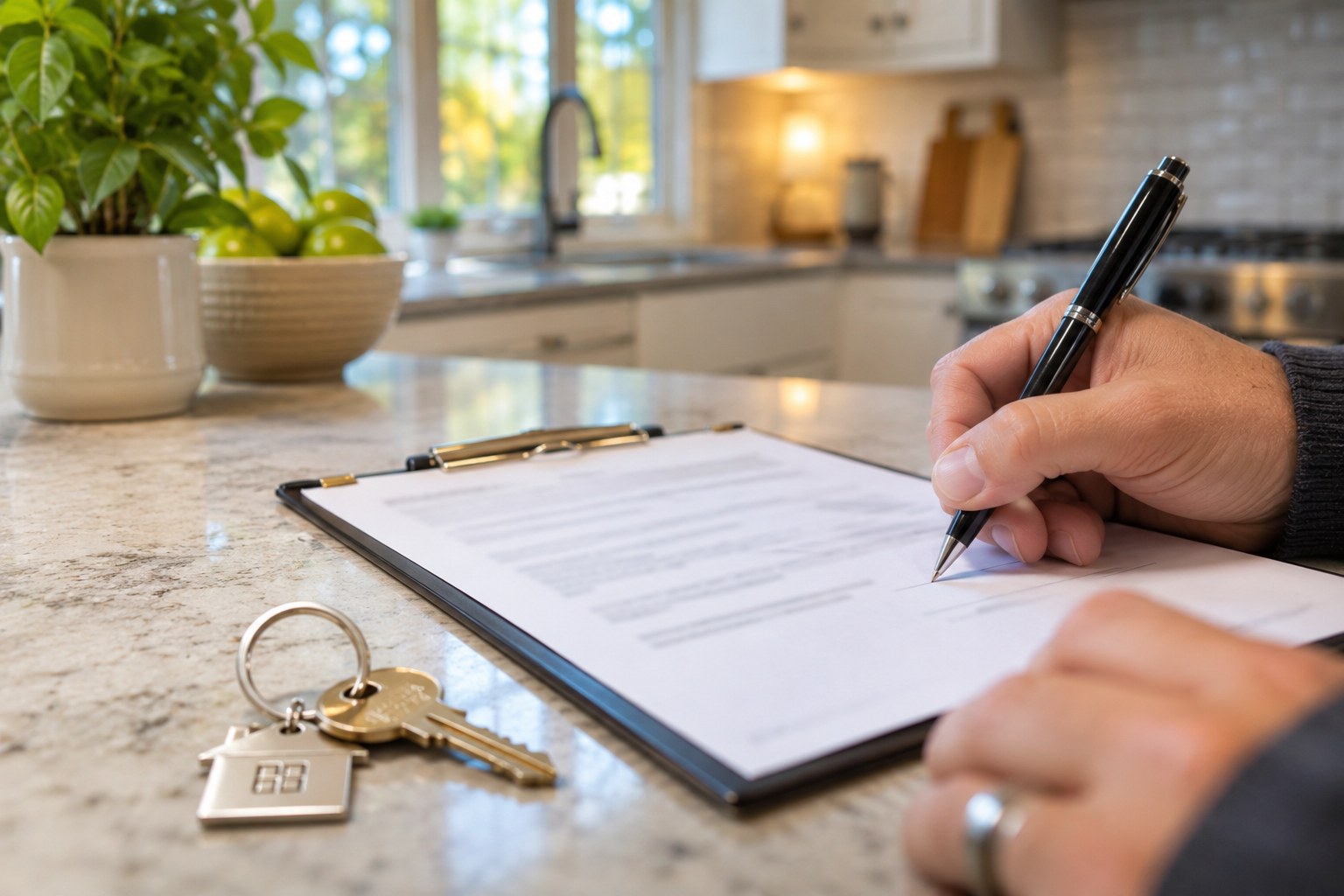
Closing is typically held at an attorney's office, where you'll sign the deed and closing documents, pay off any existing mortgage and applicable transfer taxes, and receive the proceeds from the sale. Most single-family sales in this region close within roughly 60 to 90 days of an accepted offer, though the exact timeline depends on the buyer's financing, inspection negotiations, and how quickly both attorneys move through the contract and closing process.
Frequently Asked Questions
Do I need to disclose septic or well issues when selling in New York?
New York's property condition disclosure requirements generally call for sellers to disclose known material defects, which can include known septic or well issues; your attorney can advise on the specific disclosure form and requirements for your sale.
How is my home's list price determined?
A strong price is based on recent, genuinely comparable sales in your specific town or neighborhood, current inventory levels, and your home's condition and updates — not a countywide or regional average.
What happens if the buyer's appraisal comes in low?
You and the buyer can renegotiate the price, the buyer can bring additional cash to cover the gap, or in some cases the deal is renegotiated or falls through; pricing realistically from the start reduces this risk.
How long does it typically take to sell and close in the Hudson Valley?
Time on market varies by town, price point, and condition, and closing itself generally takes 60 to 90 days from an accepted offer once financing, inspections, and attorney review are factored in.
Is an accepted offer legally binding in New York?
Not immediately. The deal becomes binding once both attorneys have negotiated and both parties have signed the contract of sale, which typically happens one to three weeks after an offer is accepted.
Comparing towns? Explore my Orange County neighborhood guides for Goshen, Middletown, Monroe, Warwick, Chester, Washingtonville, Newburgh and Cornwall.
Thinking About Selling?
Preparing, pricing, and marketing a home well takes local knowledge of how your specific town and neighborhood compare to the rest of the Hudson Valley market. If you'd like a current read on what your home might be worth, you can request a home valuation, review our seller services page, or reach out directly to talk through your specific property and timeline.
Categories
Recent Posts